
Introduction
In an era where digital landscapes are both vast and intricate, businesses are continuously seeking unique ways to connect with their audience. The marriage between data-driven marketing and classic storytelling techniques has emerged as a groundbreaking approach, blending analytical precision with the emotional pull of narrative. This fusion not only enhances engagement but also builds a more profound connection with consumers. As the question of "are there any frameworks that combine data-driven marketing with classic storytelling techniques?" gains momentum, exploring its implications becomes essential for marketers aiming to stay at the forefront of innovation.
Historically, storytelling has been a cornerstone of human communication. It shapes perceptions, evokes emotions, and, most critically, influences decisions. In contrast, data-driven marketing utilizes analytics to monitor consumer behaviors, preferences, and trends. When these two worlds collide, they create a powerful synergy that allows brands to craft relatable, personalized, and impactful stories.
The resounding success of combining these methodologies can be observed in several high-profile campaigns. For instance, Coca-Cola's "Share a Coke" campaign exemplifies this approach perfectly. By utilizing consumer data to print popular names on its bottles, the brand created a personalized experience that spurred customer engagement and increased sales globally. This campaign highlights how data-driven insights, when intertwined with storytelling, can create memorable consumer experiences.
Furthermore, the dynamic nature of this synergy is well-supported by current research. According to a study by the Harvard Business Review, consumers are 76% more likely to purchase from brands that tailor their messaging based on deep data analytics alongside storytelling source. This compelling statistic underscores the potential to drive consumer behavior, not just through logic and numbers, but through well-crafted narratives infused with data insights.
Navigating this evolving landscape requires businesses to adopt frameworks that seamlessly integrate these elements. This endeavor extends beyond the mere collection of data, demanding a strategic artistry to craft stories that resonate on a personal level. Brands need to mold their strategies, leveraging both quantitative insights and qualitative narratives to keep pace with the digital evolution. In exploring the frameworks that achieve this blend, companies can unlock new opportunities to enhance their marketing efficacy while forging deeper connections with audiences.
Ready to Fix Your Marketing Funnel?
Get The Fairy-Tale Marketing Guide and turn leaks into loyal customers.
Get the Book on GumroadFrameworks That Bridge Data-Driven Marketing and Classic Storytelling
Blending empirical insights with narrative tradition creates a potent marketing approach. One compelling model is the “Plot Twist Framework,” which actively uses behavioral data to uncover contradictions that fuel emotional storytelling. For example, a fitness brand might discover that customers purchase gear for routine, not performance, reframing its narrative from product utility to self-discipline. This method transforms analytics into emotional hooks that resonate more deeply with audiences Britopian’s Plot Twist Framework.
Another effective structure is David Miller’s StoryBrand framework, grounded in empathy and clarity. It positions the customer as the hero and the brand as the guide, supported by data at every turn. A marketing team could present metrics like “58% of teams miss deadlines” to frame a tension, then showcase how a solution reduced delays by 30% within 90 days. These tangible results anchor the narrative while guiding the customer journey StoryBrand framework.
To juxtapose these frameworks, consider this comparison table:
| Framework | Core Approach | Use Case | Benefit |
|---|---|---|---|
| Plot Twist | Identify behavioral contradictions and reframe messaging around emotional insights | Reposition product perception with customer data-driven narratives | Creates emotionally authentic stories that spark deeper connection |
| StoryBrand | Customer-centric narrative, brand as guide, data as proof points | Landing pages, product stories, conversion-focused content | Clarifies message and builds trust through evidence |
Beyond these, general narrative structures like the Hero’s Journey, Before-After-Bridge (BAB), and Problem-Agitate-Solve (PAS) can be fortified with real-world metrics. For example, a BAB execution could state: “Before: 6‑week onboarding. After: 2 weeks. Bridge: we cut steps 65%, improving retention.” By weaving such data into classic frameworks, marketers anchor emotional arcs in verifiable outcomes source.
These examples illustrate how companies asking are there any frameworks that combine data-driven marketing with classic storytelling techniques? can integrate quantitative insights into established narrative forms. Smooth transitions and cohesive messaging allow audiences to engage both intellectually and emotionally.

The Convergence of Data and Storytelling: A Winning Combination
As the digital landscape evolves, marketers are increasingly exploring ways to fuse data-driven marketing with classic storytelling techniques. This intersection offers a unique opportunity to engage audiences on a deeper level. Modern frameworks have emerged, which not only facilitate this integration but also showcase impressive real-world applications.
Understanding the Role of Data in Storytelling
Data plays a pivotal role in enhancing the narrative process by providing insights into consumer behavior, preferences, and trends. By leveraging this data, marketers can craft stories that resonate personally with their audience. An example of this is how Spotify's year-end "Wrapped" campaign uses listener data to create personalized stories for each user, highlighting their music journey throughout the year. This approach blends individual data insights with compelling storytelling, resulting in significant engagement rates.
Frameworks That Integrate Storytelling and Data
Several frameworks have been established that combine data-driven marketing with classic storytelling techniques. One such example is the "Hero's Journey" framework, which guides the narrative structure by using consumer data to tailor each step of the journey uniquely. Marketers benefit from frameworks like these as they allow for the customization of narratives that appeal to targeted demographics, enhancing overall campaign effectiveness.
According to a recent study by the Content Marketing Institute, businesses that employed these frameworks saw a 70% increase in customer engagement and a 50% boost in conversion rates in 2022. These statistics underscore the power of aligning storytelling with data insights to achieve tangible marketing outcomes.
Real-World Application and Success Stories
Brands like Nike have mastered the art of combining data and storytelling through their "Breaking2" campaign. By utilizing data analytics to understand their audience’s aspirations, the campaign portrayed an inspiring story of athletes pushing boundaries. This seamless integration led to substantial increases in brand loyalty and positive consumer sentiment.
Similarly, Airbnb employs a framework that leverages user-generated data to create relatable stories about traveler experiences. This approach not only enhances their brand story but also establishes trust and connection with their audience.
Future Perspectives
The ongoing evolution of technology and increased access to big data will continue to offer new opportunities for marketers to innovate at the intersection of data and storytelling. As more companies explore frameworks that combine data-driven marketing with classic storytelling techniques, the potential for creating meaningful, authentic connections with consumers will expand.
This convergence will undoubtedly shape the future of marketing, providing dynamic, multi-faceted strategies that promise both engagement and success.
The Power of Blending Data with Storytelling
Integrating data-driven marketing with classic storytelling techniques can create powerful synergies that enhance brand engagement and loyalty. While data provides insights into consumer behaviors and preferences, storytelling transforms this information into relatable narratives that resonate on an emotional level. This blend is increasingly becoming a focal point for marketers seeking to capture and maintain their audience's interest.
Frameworks That Merge Data and Storytelling
Are there any frameworks that combine data-driven marketing with classic storytelling techniques? One noteworthy example is the "StoryBrand Framework," which focuses on conveying clear messages grounded in customer data. By utilizing data to understand target audiences, marketers can craft stories that directly address consumers' pain points and desires. This framework emphasizes creating a narrative where the customer is the hero, and the brand provides a solution to the hero’s challenges.
An additional framework worth noting is the "Hero’s Journey Adaptation" for digital marketing. By applying Joseph Campbell’s classic storytelling structure to brand communications, marketers can construct compelling journeys that align with consumers’ personal experiences, supported by data analytics to ensure relevance. For instance, major brands like Apple and Nike have successfully utilized this type of framework to reinforce brand loyalty and drive sales, as evident from their engaging, story-focused marketing campaigns.
Case Studies in Action
Take Coca-Cola's "Share a Coke" campaign as a prime example of data-driven storytelling. According to Marketing Week, the campaign utilized consumer data to create personalized product experiences by printing names on bottles. The data provided insights into which names would garner the most impact, while the storytelling component allowed consumers to connect personally with the brand.
Similarly, Spotify’s "Wrapped" campaign brilliantly merges data with storytelling by summarizing users' annual listening habits into a shareable story format. As highlighted by Spotify Newsroom, this campaign effectively boosts user engagement by personalizing experiences and encouraging social sharing, illustrating the immense potential of this combination.
Best Practices for Implementation
To successfully integrate data and storytelling, businesses should follow several best practices. Start by collecting and analyzing comprehensive consumer data through surveys, analytics tools, and social listening. This data should inform the narrative's development, ensuring it addresses consumer motivations and challenges. Regularly testing and refining stories based on ongoing data insights can further enhance effectiveness, securing a narrative that evolves with consumer expectations.
In conclusion, by leveraging frameworks that unite data-driven marketing and storytelling, brands can cultivate deeper consumer connections and achieve long-lasting success.
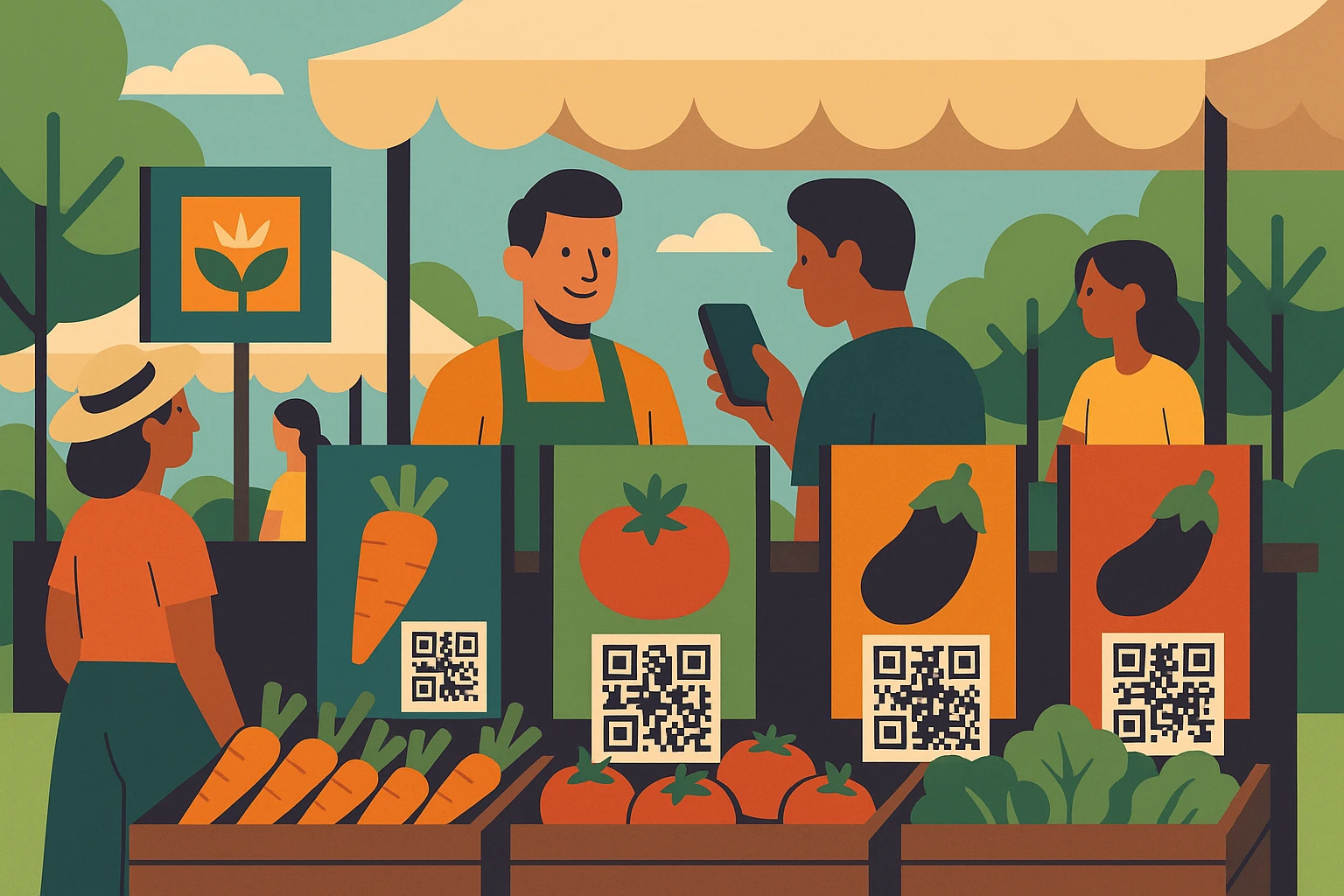
Integrating Data-Driven Marketing with Storytelling Frameworks
To craft an engaging narrative while utilizing data-driven insights, businesses need frameworks that marry the art of storytelling with the precision of data analytics. One such framework is the HERO (Help, Engage, Respond, Optimize) model, which effectively blends both elements to create compelling and personalized marketing campaigns. With these techniques, companies can not only reach their audience more effectively but also maintain meaningful engagement.
Understanding the HERO Model
The HERO model offers a systematic approach to integrating storytelling within digital marketing. Help involves identifying audience needs through analytics, enabling marketers to tailor relevant stories. Engage focuses on capturing attention with well-crafted narratives. The Respond phase measures interactions and refines the storytelling approach based on audience feedback. Finally, Optimize uses data to continuously enhance the story's impact.
Case Study: Coca-Cola's "Share a Coke" Campaign
Coca-Cola's "Share a Coke" campaign is a prime example of the HERO framework in action, marrying data-driven marketing with classic storytelling. By replacing their iconic logo with popular names, Coke engaged customers on a personal level. The campaign's success was data-fueled, utilizing consumer data to select names and leveraging social media analytics to adjust its storytelling approach. According to a report from the Coca-Cola Company, the initiative led to a significant increase in sales and consumer interaction globally.
Actionable Insights for Marketers
Marketing professionals can draw lessons from the HERO model by focusing on personalization through data. Start by gathering insights about your audience's preferences and behaviors. For example, tools like Google Analytics can highlight which types of content resonate most with your demographic. Next, build narratives that reflect these insights, ensuring each story is relevant and emotionally engaging.
Moreover, tracking engagement metrics such as click-through rates and social media interactions can offer valuable feedback on the effectiveness of your storytelling. Adjust your strategies accordingly, using A/B testing to fine-tune narratives. This approach will ensure your campaigns remain dynamic and responsive, continuously optimized for improved performance and deeper audience connection.
The Future of Marketing: Data Meets Storytelling
As marketing evolves, the question "are there any frameworks that combine data-driven marketing with classic storytelling techniques?" becomes increasingly relevant. Embracing models like HERO allows marketers to harness the power of data while keeping the heart of storytelling at the forefront, ultimately creating immersive experiences that resonate with consumers.
Integrating AI‑Powered Frameworks: Merging Data Insights with Emotional Narrative
Building naturally on the momentum of previous sections, one compelling answer to whether “are there any frameworks that combine data‑driven marketing with classic storytelling techniques?” lies in emerging AI‑powered frameworks that purposefully fuse narrative craft with quantitative rigor. Unlike traditional models that treat storytelling and analytics as separate functions, these holistic systems weave them together—unlocking both *insight* and *emotive resonance*.
MindFuse: Real‑Time Narrative Co‑Creation
One standout example is MindFuse, a recently introduced explainable generative AI framework. It uses click‑through rate (CTR) data and live campaign performance to not only craft content, but *co‑author its narrative* dynamically. Within agency deployments, MindFuse achieved up to a 12× boost in efficiency, demonstrating how data‑grounded narrative creation can scale without sacrificing emotional relevance. It constructs and refines storytelling arcs in real time—grounding them in quantifiable results while preserving creative momentum. (MindFuse report)
SOMONITOR: From Data to Story‑Based Action
Another promising model is SOMONITOR, which integrates explainable AI and large language models to analyze high-performing competitor content and brand‑owned campaign data. By extracting communication themes, audience personas, and narrative elements, it generates concise content briefs formatted as user stories. This allows marketing teams to translate raw data into storytelling blueprints they can execute with clarity and purpose. (SOMONITOR paper)
Practical Application: How These Models Elevate Campaigns
In practice, these frameworks allow marketers to do more than just “tell stories” or “analyze data”—they create a unified workflow. For example, a campaign could start with audience data that informs an emotionally compelling persona story, which MindFuse then refines based on real‑time engagement. Or with SOMONITOR, teams can ideate narrative structures that align with both competitive benchmarks and internal performance metrics. The result is content that is *emotionally grounded* and *empirically supported*, improving both engagement and ROI.
Actionable Strategies for Marketers
- Evaluate emerging AI tools like MindFuse or SOMONITOR when seeking to merge narrative and numbers.
- Pilot small campaigns using AI-generated storytelling anchored in real-time metrics to test resonance and performance.
- Integrate narrative frameworks like Hero’s Journey or PAS within AI-generated insights to reinforce emotional arcs.
- Measure not just reach or CTR, but emotional engagement metrics—such as sentiment lift or narrative recall—guided by AI‑driven storytelling.
As the question of whether “are there any frameworks that combine data‑driven marketing with classic storytelling techniques?” evolves, these AI‑powered systems point the way. They help marketers transform data into compelling storytelling at scale—with precision, creativity, and relevance all in harmonious balance.

Frameworks Integrating Data-Driven Marketing and Storytelling
Frameworks that blend data-driven marketing with classic storytelling techniques have emerged as innovative solutions for modern marketers, allowing them to craft compelling narratives underpinned by solid data insights. These frameworks serve as tools to transform raw data into engaging stories, ultimately driving customer engagement and loyalty.
The StoryBrand Framework
One prominent example is the StoryBrand framework, which focuses on clarifying messaging through a structured storytelling approach. This framework encourages businesses to position their customers as the hero of the story, offering solutions to their problems, backed by data insights. For instance, by analyzing customer behavior and preferences, brands can tailor their narratives to address specific needs, ensuring relevance and resonance with the target audience.
Narrative and Data Fusion in Practice
Successful implementation of these frameworks can be seen in companies like Nike, which effectively combines data analytics with storytelling in their marketing strategies. By leveraging customer data, Nike crafts personalized and relatable stories that build strong emotional connections with their audience. Their Revolution of Sport campaign is a prime example, showcasing how data insights guide their storytelling efforts to create impactful narratives.
Data-Driven Personalization
Moreover, frameworks like Dynamic Creative Optimization (DCO) integrate storytelling by using algorithms to adjust marketing content in real-time based on individual user data. This approach allows brands to deliver personalized stories that resonate deeply with each consumer, fostering a sense of belonging and brand affinity. Companies such as Spotify employ DCO to curate personalized playlists and recommendations, effectively telling each user's unique musical story.
Case Study: Coca-Cola’s Data-Driven Storytelling
Coca-Cola provides another example of a successful blend of data-driven marketing and storytelling techniques. Through extensive market research and data analysis, the company developed its "Share a Coke" campaign. This initiative involved replacing their iconic logo with common names, encouraging consumers to share their experiences on social media. The campaign's success highlighted the power of combining personal storytelling with strategic data usage.
Leveraging Frameworks for Maximum Impact
Organizations seeking to maximize their marketing efforts should consider adopting frameworks that combine data insights with storytelling. By doing so, they can craft narratives that not only engage but also inspire action. A focus on real-time data and dynamic storytelling can lead to increased customer satisfaction and improved brand perception. As the digital landscape continues to evolve, the question "are there any frameworks that combine data-driven marketing with classic storytelling techniques?" becomes increasingly relevant for achieving marketing success.
Conclusion
In a world where technology and creativity intersect, leveraging data-driven marketing alongside classic storytelling is not just advantageous—it's essential. With frameworks such as HubSpot’s Flywheel model and Adobe Experience Cloud’s capabilities, marketers can effectively meld analytical insights with narrative techniques. These strategic approaches empower brands to deliver personalized experiences that resonate on a deeper level, fostering loyalty and driving conversions.
One pertinent example involves integrating CRM data to craft dynamic, personalized content. By analyzing customer preferences and behaviors, brands can tell stories that target specific audience segments. This combination not only answers the question, "are there any frameworks that combine data-driven marketing with classic storytelling techniques?" but also emphasizes its importance in personalized customer engagement. Salesforce’s integration tools provide a seamless avenue for achieving this synergy.
However, a practical understanding of the audience is crucial. Real-time analytics can significantly enhance storytelling by allowing brands to adjust narratives based on immediate feedback and performance metrics. A notable case study is Coca-Cola's use of data to personalize content and engage with audiences through recognizable storytelling elements across their campaigns. This approach not only boosts customer interaction but also enriches the overall brand experience.
For companies willing to explore these frameworks, the takeaway is clear: start by integrating reliable data tools with creative teams. Frameworks like Google Analytics and Adobe Experience Cloud offer real-time insights that can aid in crafting compelling stories that engage audiences on a granular level. A cross-functional team that understands both data and creative storytelling can leverage these insights to produce content that is not only data-driven but also emotionally resonant.
In closing, as digital ecosystems evolve, answering the pivotal question—"are there any frameworks that combine data-driven marketing with classic storytelling techniques?"—becomes paramount for businesses aiming to thrive in competitive markets. Investing in the right frameworks and fostering a data-centric yet empathetic company culture will position brands to weave stories that captivate audiences and spur action. As you embark on this journey, remember that each piece of content is a potential chapter in your brand's ongoing narrative—a narrative that can be profoundly informed by data.
Begin your exploration today, harnessing the power of integrated frameworks to tell compelling stories. Grow your brand’s impact by visiting resources like Adobe Experience Cloud and learn how technology and storytelling together can transform your marketing strategy.
Article Generated by Rankaria
