
Introduction
Imagine accelerating your business growth without overloading your team or swamping your budget. That’s where a truly scalable marketing strategy comes into play—a dynamic system designed to expand effortlessly while keeping performance high and resource usage lean. It delivers impact across growing audiences without requiring linear increases in effort or cost.
To make the idea more tangible, consider how a B2B software company repurposed a single whitepaper into blog posts, email sequences, and social media content—and in doing so achieved a 30% increase in qualified leads without ballooning production costs source.
Scalability in marketing isn’t just about volume—it’s about smart design. For instance, incorporating modular content assets, automated workflows, and integrated analytics lets brands sustain momentum as they grow. A restaurant chain that expanded from 10 to 50 locations maintained consistent messaging and customer engagement using automated emails and a centralized content system—without adding staff source.
Another persuasive example: Scaleup Finance built a scalable growth model on LinkedIn by combining evergreen, global brand campaigns with localized follower-up ads. This approach fostered international expansion without sacrificing brand identity or performance source.
This introductory glimpse highlights that a scalable marketing strategy is about weaving systems—data, content, technology—that flex with demand. In the sections that follow, we’ll unpack how data-driven automation, modular content, and strategic planning set the foundation for scalable marketing, ensuring businesses can thrive amid accelerating growth.
Ready to Fix Your Marketing Funnel?
Get The Fairy-Tale Marketing Guide and turn leaks into loyal customers.
Get the Book on GumroadData-Driven Automation: Powering Efficiency and Scalability
In the dynamic landscape of modern marketing, efficiency is crucial for growth. Embracing data-driven automation is an essential step in developing a scalable marketing strategy. By leveraging technology, businesses can automate repetitive tasks, allowing teams to focus on strategic planning and creative pursuits.
Automated tools can enhance marketing efforts by analyzing customer behavior, segmenting audiences, and delivering personalized experiences. For instance, platforms like HubSpot and Marketo provide comprehensive automation solutions that track customer interactions and tailor messaging for each segment. According to a study by Salesforce, businesses using automation saw a 74% increase in customer engagement. This illustrates the transformative power of data-driven approaches.
Real-World Applications of Marketing Automation
Consider a mid-sized e-commerce company aiming to streamline its email marketing. By implementing automated systems, the company can schedule personalized messages triggered by customer actions such as abandoned carts or birthday reminders. This approach not only boosts conversion rates but also nurtures customer loyalty effectively.
Combining Automation and Customer Insights
To maximize the impact of automation, integrating it with robust customer insights is vital. Companies should harness data analytics tools to uncover patterns and preferences. Leveraging insights from platforms like Google Analytics enables marketers to refine their strategies continuously, adjusting to market shifts and customer demands.
- Benefits of Automation: Reduced manual workload, increased efficiency, and consistent engagement.
- Challenges: Requires initial investment and expertise for implementation.
Comparative Analysis: Automation Tools at a Glance
An effective scalable marketing strategy often involves comparing available tools to find the best fit for specific needs. Here's a comparison of some popular automation platforms:
| Tool | Best For | Key Features | Pricing |
|---|---|---|---|
| HubSpot | Comprehensive integrated solutions | Email automation, CRM integration | Free to enterprise options |
| Marketo | Large enterprises | Advanced analytics, personalization | Contact for pricing |
| Mailchimp | Small to mid-sized businesses | Email marketing, multichannel campaigns | Free up to premium tiers |
In summary, integrating data-driven automation into your marketing arsenal can vastly improve efficiency and personalization, propelling your business towards a robust and scalable marketing strategy. Strategic adoption of the right tools and platforms ensures that as your business grows, your marketing efforts remain efficient and impactful.

Building a Sustainable System Through Automation and Analytics
Transitioning from tactic-driven campaigns to a structured, enduring approach is essential for achieving long-term success in today’s fast-paced marketing landscape. Rather than simply increasing ad spend or posting more content, leading brands are designing systems that deliver consistent outcomes without proportional increases in effort or cost. One compelling example: a growth-stage company achieved a 70% reduction in cost per lead while boosting organic-led lead share from ~10% to ~60% within 18 months by shifting to evergreen SEO content, automated nurture flows, and scalable systems—demonstrating how efficiency and leverage, not volume, drive results. Source: House of Martech
Standardized Campaigns and Process Templates
Creating repeatable frameworks for campaigns, such as templated ads, landing pages, and email sequences, is foundational for maintaining consistency and quality as marketing scales. Documented workflows reduce errors and enable rapid, multi-region execution without reinventing the wheel for each launch. This level of structure ensures that messaging remains cohesive even as campaign rollouts expand. For instance, industries like education and fashion find success by reusing visual storytelling and messaging templates across platforms, achieving broader reach with minimal additional effort. Source: Red Sparrow Digital
Automation That Frees Teams for Strategic Work
Automation is a game-changer for scaling operations efficiently. Tools that manage email sequences, ad performance, and reporting help eliminate repetitive tasks, enabling teams to focus on creative strategy and optimized execution. Integrating systems—such as a CRM synced with analytics and automation platforms—reduces manual work and maintains data integrity. As businesses grow, automating repetitive marketing activities not only preserves output quality but also accelerates responsiveness to market shifts. Source: Breakthrough3x
Additionally, choosing modular, integrable technologies (for example, a CRM that connects seamlessly with e-commerce and analytics tools) lays a flexible foundation that scales with business growth while avoiding costly system overhauls. Source: World Journal of Advanced Research and Reviews (2024)
Experimentation and Continuous Optimization
Scaling isn’t about setting campaigns on auto-pilot—it’s about continuously refining them. Systematic A/B testing remains one of the most impactful tactics to enhance performance. For example, organizations running 50% more tests tend to see the most significant improvements in conversion rates. Maintaining a culture of testing small changes—such as alterations in copy, visuals, or landing page layouts—yields outsized gains over time. Source: Growth Marketing Statistics for 2026
Ultimately, by leveraging automation, structured workflows, and relentless testing, marketers create a resilient framework—one that grows smarter, not just louder. This scalable marketing strategy supports growth without compromising efficiency or brand integrity.
Building a Repeatable, Scalable Campaign Framework
Transitioning from fragmented efforts to a strong foundation, marketers must create consistent structures that elevate efficiency and adaptability. The case of John A. Knutson & Co. CPAs demonstrates how Align Marketing Group transformed scattered initiatives into a scalable marketing strategy that aligned with the firm’s ambitions and delivered measurable outcomes, with clarity and structure at the core of the transformation Align Marketing Group case study.
Operational Consistency and Process Design
Organizations often struggle with bottlenecks and inefficiencies due to inconsistent workflows. A multinational SaaS provider partnered with Heinz Marketing to implement a unified campaign planning-to-execution workflow, which established predictable routing, clear duties, and measurable SLAs. This structured process fostered better capacity planning, seamless cross-team communication, and iterative improvements over time Heinz Marketing case study.
Strategic Automation and Efficiency
Embedding automation within marketing systems helps organizations scale without compromising quality. For example, Franklin Madison Direct used its proprietary OmnIDirect platform to align digital impressions with offline data, applying factorial testing to rapidly isolate high-performing creative, audience, and offer combinations. This approach enabled campaign scalability through precise, data-driven decision-making Franklin Madison Direct article.
Cross-Channel Attribution for Smarter Scaling
Scaling often fails due to unclear performance attribution across platforms. OKAD Agency’s case studies illustrate how brands achieved profitable campaign growth by integrating mobile-first creatives and implementing holistic attribution systems. For instance, combining TikTok awareness content with Facebook retargeting campaigns, paired with rapid creative iteration and tracking, enabled brands to increase ROAS while scaling effectively OKAD Agency case studies.
Step-by-Step Implementation Guidance
- Define standard workflows, from ideation to launch, with built-in testing and feedback loops.
- Layer in automation tools—such as intake systems, campaign scheduling, and SLA tracking—to maintain consistency as teams grow.
- Develop cross-channel attribution frameworks to track performance holistically and inform budget shifts dynamically.
- Iterate based on real-time data: test creatives, offers, and audiences, then build on what scales efficiently.
By aligning structure, automation, and attribution within a repeatable framework, teams can scale campaigns in a controlled, performance-driven way—ensuring growth that is not just bigger, but smarter.

Leveraging Data for Scalable Growth
In the complex realm of marketing, data-driven strategies have become indispensable tools for organizations aiming to achieve scalable growth. By leveraging data effectively, businesses can fine-tune their approaches, ensuring their marketing efforts yield maximum results. Integrating analytics into a scalable marketing strategy allows brands to monitor consumer behavior, track campaign performance, and adapt strategies swiftly.
One pivotal example is how Amazon uses data to personalize customer experiences. By analyzing purchase history, browsing behavior, and preferences, Amazon tailors its marketing efforts to individual users, enhancing customer satisfaction and boosting sales. This high degree of personalization in marketing tactics has been especially effective in maintaining Amazon’s competitive advantage in the e-commerce space.
Building a Robust Analytics Framework
Creating a robust analytics framework starts with defining clear objectives for what the business aims to achieve. Whether it's increasing brand awareness, driving sales, or enhancing customer engagement, setting precise goals will guide the data collection process. Additionally, identifying the right tools and software, such as Google Analytics or HubSpot, is crucial for gathering and analyzing data efficiently.
Once a framework is established, businesses should focus on key performance indicators (KPIs) that align with their scalable marketing strategy. Metrics like customer acquisition cost (CAC), customer lifetime value (CLV), and conversion rates provide tangible insights into a strategy’s effectiveness. For example, Netflix continually analyzes its audience data to create content that resonates with viewers, optimizing their engagement and retention efforts.
Using Real-Time Data for Adaptive Strategies
With today’s rapidly changing market conditions, using real-time data has become essential. This approach allows marketers to adjust campaigns on the fly, ensuring resources are used efficiently. One case study illustrating this is Coca-Cola's use of real-time social media analytics during their Share a Coke campaign. The company monitored social interactions to refine their campaign strategies at a moment's notice, significantly increasing their market reach and engagement.
Implementing technology such as artificial intelligence (AI) and machine learning can further optimize a scalable marketing strategy. These technologies enable predictive analytics, providing forecasts on consumer trends and helping businesses make informed decisions ahead of their competitors.
Ultimately, employing a data-driven approach empowers marketers to develop more personalized, effective, and scalable marketing strategies. As noted in a report by Forbes, brands that leverage data smartly are better positioned to anticipate market shifts and drive growth sustainably. This clarity and adaptability make data-driven strategies a cornerstone of successful scalable marketing endeavors.
Optimizing Processes and Infrastructure for Sustainable Growth
Scaling a marketing operation effectively depends not only on creative ideas but also on building robust systems that can handle increasing complexity and volume. Establishing operational clarity and repeatable playbooks ensures businesses maintain performance as they expand.
Standardizing Workflows and Communication
Creating streamlined processes is essential for maintaining alignment across teams and regions. One company revamped its marketing framework by introducing a structured operational approach—adding a RACI matrix to clearly define roles, ownership, and responsibilities. This overhaul enabled faster project execution, stronger cross-regional collaboration, and consistent brand output as the organization scaled globally source. By doing so, they transformed marketing from a disjointed function into a cohesive engine that supports sustainable growth.
Replicable Playbooks for Consistent Execution
Deploying scalable campaign playbooks provides a foundation for efficient expansion. For example, a rapidly growing healthcare provider expanded from 3 locations in 2019 to 39 by 2025. A marketing agency delivered tailored brand guidelines and onboarding templates, along with dynamic campaign sequencing—moving new markets from awareness to lead generation to retention—for reliable launch strategies source. These playbooks ensured each new location hit the ground running without reinventing the wheel.
Flexible Infrastructure That Grows With You
Beyond process, scaling requires systems that adjust as demand evolves. Investing in modular CRM structures, automated campaign platforms, or AI-enhanced workflow tools lets marketers respond quickly to opportunities. Although many companies invest heavily in these tools, ensuring they’re flexible and platform-agnostic is vital—this supports expansion without technical debt or bottlenecks.
Continuous Optimization Through Data and Feedback Loops
Maintaining scalability isn’t a one-time effort—it requires iterative improvement. By establishing clear metrics at each stage—from lead acquisition to conversion—teams can monitor effectiveness and refine playbooks over time. Embedding these feedback loops enables adjustments in targeting, budget allocation, or creative messaging, ensuring the scalable marketing strategy remains responsive and high-impact.
Altogether, aligning process, infrastructure, and iterative learning lays a dependable foundation for growth. This operational backbone helps marketing teams uphold performance while expanding, enabling businesses to scale with confidence and agility.
Scaling Efforts with Automation and Analytics
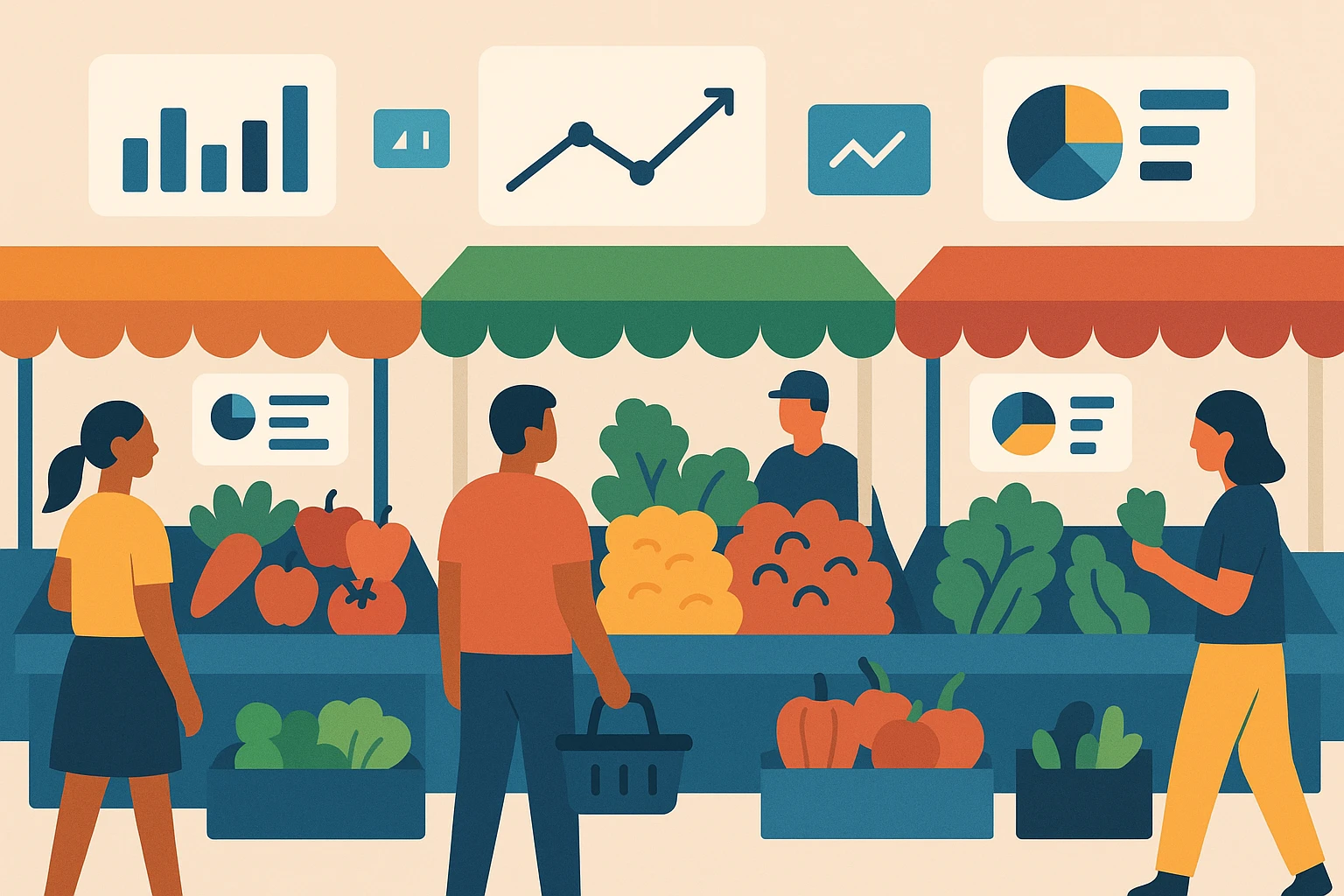
As organizations grow, the challenge lies in expanding operations without proportionally increasing the workload. By leveraging automated workflows, firms can sustain high-quality engagement while reducing manual effort. For instance, OneMetric’s implementation of Salesforce Marketing Cloud enabled a business to eliminate over 30 hours per month of manual email creation, triple revenue from cart recovery workflows, increase open rates by 25%, and boost click-through rates by 20%—all by streamlining automation and testing strategies across customer segments OneMetric case study. Integrating such systems underlines how scalable marketing strategy evolves from static campaigns to adaptive, data-driven processes.
Building Modular, High-Performance Workflows
A scalable approach often relies on modularity—designing workflows as components that can be reused, modified, and expanded. EvergreenFeed highlights how marketing automation decouples growth from operational headcount, allowing businesses to manage large-scale campaigns with lean teams. They report managing 3–5× customers without proportional increases in staffing, and lowering cost per lead by 40–60% through well-designed workflows and templates EvergreenFeed blog. Modular templates give teams the flexibility to launch new initiatives swiftly while preserving strategic coherence and quality.
Unifying Marketing and Sales with Data-Centric Platforms
As complexity increases, alignment across departments becomes a critical factor in sustaining growth. Adobe illustrates how marketing automation platforms unify sales and marketing data in real time, fostering better collaboration and strategic alignment. These tools enable the same set of triggers and analytics to guide both outreach and follow-up, ensuring consistency throughout the customer journey Adobe insights. This unified data backbone helps teams scale smoothly while optimizing resource allocation.
Emerging Analytical Methods for Smarter Scaling
Beyond mere automation, advanced analytics can supercharge scaling efforts by guiding precise targeting and resource allocation. A McKinsey-backed example involves a Scandinavian asset-management firm that built an AI-driven lead-scoring engine based on 70+ data points from web analytics, internal benchmarks, and external databases. This system doubled to tripled high-value customer intake rates within two years, all while keeping marketing costs under control McKinsey report. Incorporating predictive scoring tools ensures your scalable marketing strategy remains not just expansive, but also precisely targeted.
- Create reusable, adaptable workflow modules for efficient campaign expansion
- Centralize marketing and sales data through shared platforms for alignment
- Incorporate predictive analytics to identify high-growth opportunities sustainably
Conclusion: Strategic Momentum and Next Steps
To wrap up, a well-executed conclusion brings together the strategic insights shared throughout your article and reinforces the reader’s understanding of how to build and refine a truly scalable marketing strategy. Start by revisiting the core theme: building systems and processes that expand without excessive added cost or complexity. This closing section should feel like the capstone—highlighting not only what was covered earlier but also inviting action.
Key Takeaways for Sustainable Growth
- Establish adaptable workflows and modular campaigns that can be replicated across channels and markets.
- Ensure alignment between marketing and sales via shared data platforms and predictive analytics to identify expansion opportunities.
- Leverage real-world examples, like the ICONIQUE Professional campaign, which achieved remarkable results across multiple countries through precise targeting and real-time optimization strategies GIVET’s 2025 case study, demonstrating how integrated systems drive scalable outcomes.
- Consider SEO-centered growth: one firm saw 114× growth in organic traffic and 61% lower cost-per-lead by shifting to a content-focused, long-tail keyword strategy as reported in a recent SEO case study.
Actionable Next Steps
Begin by auditing your current operations to identify inefficiencies and opportunities for modular expansion. Map out which campaign elements—creative assets, targeting criteria, lead workflows—are most easily reconfigurable and offer the highest ROI. Piloting these modular units in controlled environments lets you validate scalability before broader rollouts.
Next, invest in automation and analytics platforms that support both campaign orchestration and measurement. Consider tools that offer predictive modeling or AI-driven optimization, enabling real-time adjustments and smarter budget allocation. Finally, foster cross-functional communication between marketing, sales, and operations teams to ensure strategic cohesion as you scale.
Invitation to Act
If you’re ready to move from theory to execution, start small: choose one workflow—or “module”—and adapt it for a new channel or audience. Monitor performance closely, learn from the outcomes, and refine the approach. As processes prove effective, replicate them across other initiatives.
By adopting this mindset of building repeatable, measurable, and adaptable systems—and by integrating data-driven insights into every stage—you’ll not only optimize your current campaigns but also fuel sustainable, exponential growth moving forward.
Thank you for exploring this journey toward a stronger, more resilient marketing framework. Your next scalable success begins now: evaluate, adapt, automate—and always keep growth within reach.
Article Generated by Rankaria
