
The Intersection of Data and Storytelling in Marketing
In today's digital age, the marketing landscape is rapidly evolving, merging traditional methods with innovative, data-driven approaches. Just as skilled authors weave compelling narratives to captivate their audiences, marketers are increasingly seeking ways to integrate powerful storytelling with the precision of data analytics. This raises an intriguing question for marketers: are there any frameworks that combine data-driven marketing with classic storytelling techniques?
Combining these two elements isn't merely a trend but a necessity in the modern marketing toolkit. As consumers become savvier, they crave authentic, relatable stories that also resonate with their individual interests. Data-driven insights equip marketers with a deeper understanding of consumer behavior, preferences, and engagement patterns. By effectively utilizing this data, marketers can craft stories that not only capture attention but also drive meaningful interactions.
An example that illustrates this fusion is Netflix. By leveraging vast amounts of viewing data, Netflix not only recommends shows viewers are likely to enjoy but also tailors its content creation process. This data is used to script compelling stories that resonate deeply with target demographics, showcasing how analytical insights can directly inform narrative structures and themes (Variety).
Blending Creativity with Analytics
The art of crafting impactful stories based on data is not solely reserved for entertainment giants. Companies across various sectors are adopting frameworks that blend analytics and creativity. Consider Coca-Cola's "Share a Coke" campaign. By analyzing data on popular names and cultural trends, Coca-Cola personalized its storytelling approach, allowing customers to find products that felt uniquely theirs. This campaign not only boosted sales but also enhanced brand engagement through personalized storytelling (CMO).
There are frameworks emerging, like the HERO framework, which integrates data collection, emotional storytelling, and real-time marketing. These frameworks offer structured methodologies that guide marketers in marrying storytelling with analytics. As this integration becomes more sophisticated, marketers can navigate through the vast data landscape while maintaining a narrative integrity that speaks to the heart.
In the quest for methods that merge these techniques, marketers are discovering that effective frameworks not only enhance engagement but also foster brand loyalty. By balancing the analytical with the humanistic, brands can create memorable experiences that resonate on a personal level. This introduction helps set the stage for exploring which frameworks exist and how they are revolutionizing the marketing world.
Ready to Fix Your Marketing Funnel?
Get The Fairy-Tale Marketing Guide and turn leaks into loyal customers.
Get the Book on GumroadThe Evolution of Marketing Frameworks
The fusion of data-driven marketing with classic storytelling techniques is reshaping the landscape for brands aiming to connect more authentically with their audiences. Over the years, marketing strategies have evolved from basic demographics to encompass complex analytics and consumer behavior insights. But in this age of information overload, frameworks that uniquely combine these methodologies are essential to cut through the noise.
Understanding the Intersection
Incorporating data-driven approaches involves leveraging analytics to understand customer preferences, behaviors, and engagement patterns. Storytelling, meanwhile, taps into the human need for connection and narrative. The true power lies in harmonizing these distinct approaches. Frameworks such as the “Hero's Journey” are being adapted with analytical insights, allowing brands to deliver personalized and relatable content. By using data to tailor a story's journey to each user's needs, marketers are enhancing engagement and creating deeper emotional connections.
Real-World Applications
Brands like Netflix demonstrate the effectiveness of integrating data-driven marketing with storytelling. By analyzing viewer preferences and streaming behaviors, Netflix curates personalized content suggestions, ensuring each user feels a unique connection to their service. This approach, blending robust data analysis with engaging content creation, maintains high customer retention rates. According to Netflix’s performance report, personalized strategies have been a significant factor in their growth to over 200 million subscribers globally.
Comparative Overview
Let's delve into a few frameworks that stand out:
| Framework | Data-Driven Components | Storytelling Techniques | Example Brands |
|---|---|---|---|
| Hero's Journey Analytics | User Behavior Analysis, Feedback Loops | Character Development, Empathy Building | Airbnb |
| Content Experience Platforms | Real-Time Analytics, Personalization Algorithms | Narrative Crafting, Immersive Story Worlds | Coca-Cola |
| Emotion-Based Segmentation | Sentiment Analysis, Psychographics | Relatable Conflict, Emotional Resonance | Spotify |
These frameworks exemplify how asking “are there any frameworks that combine data-driven marketing with classic storytelling techniques?” can lead to innovative and successful strategies. Harnessing both data and narrative allows brands not only to speak but to resonate meaningfully with consumers, transforming interactions into lasting impressions.
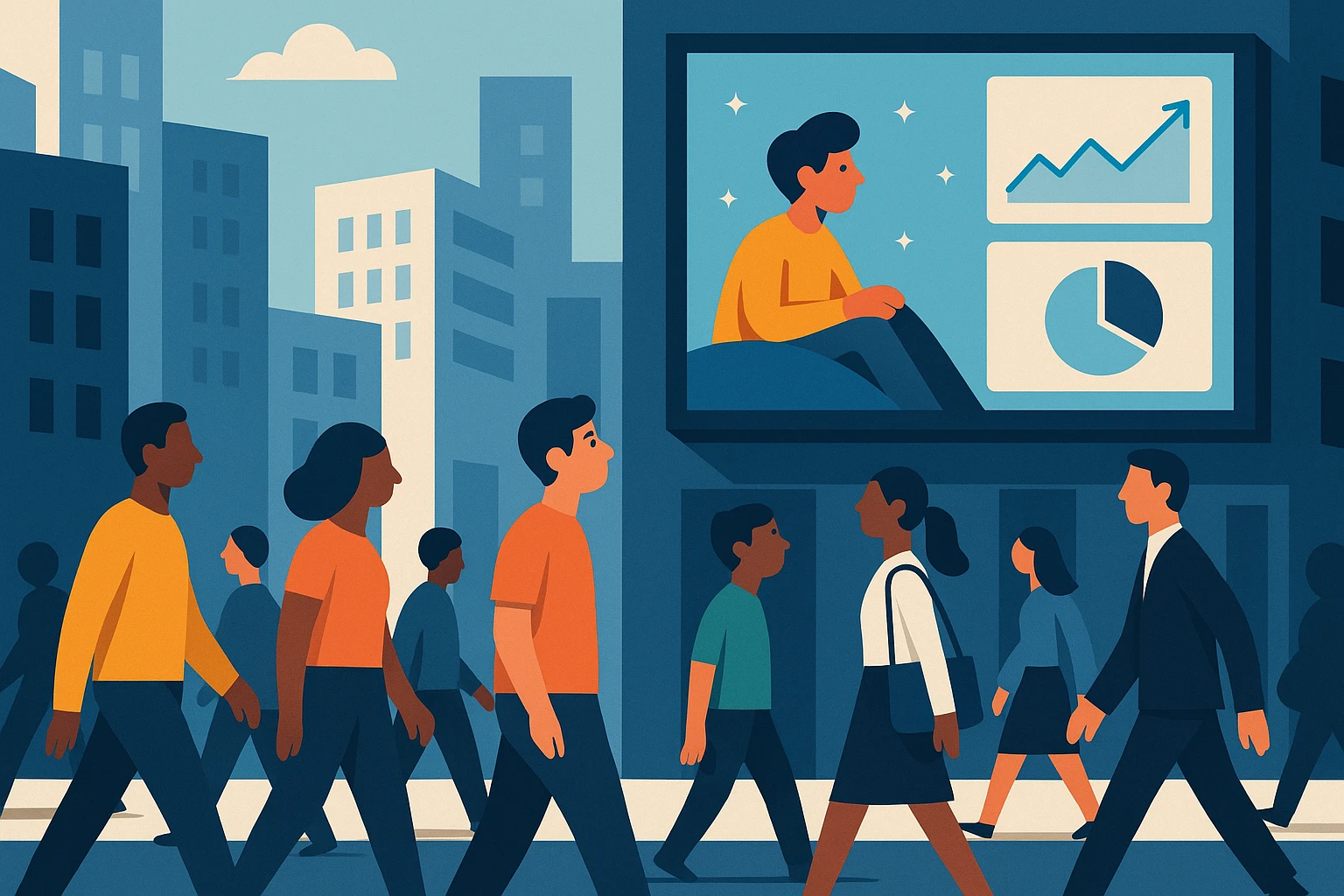
Frameworks Bridging Data-Driven Marketing and Storytelling
In the evolving landscape of marketing, frameworks that seamlessly combine data-driven approaches with classic storytelling techniques are gaining traction. These frameworks leverage quantitative insights to craft narratives that resonate emotionally with audiences. A prominent example is the Google Data Storytelling Framework, which blends analytics with narrative devices to engage viewers more effectively. By starting with data, marketers can pinpoint relevant trends and insights. The storytelling component, then, integrates these findings into compelling narratives that can significantly enhance customer engagement.
Another illustrative framework is the HubSpot's StoryBrand Marketing Framework, which uses customer data to inform its narrative structure. This framework emphasizes understanding the customer's journey, leveraging data to map out touchpoints where storytelling can be most impactful. By focusing on the customer's needs and aspirations, marketers craft personalized stories that draw from data insights, enhancing the overall marketing strategy's effectiveness.
Real-world applications of these frameworks illustrate their compelling utility. For instance, a retail company leveraging data visualizations can weave a story around customer purchasing behaviors, identifying patterns to personalize their marketing campaigns. This strategy not only increases engagement but also boosts conversion rates, demonstrating the power of a well-integrated data-narrative approach. As data analytics becomes more sophisticated, businesses are increasingly adopting these hybrid frameworks to maintain a competitive edge.
According to Forbes, companies using data-informed storytelling see significantly higher conversion rates and customer retention. This is because narratives grounded in real-time data insights can effectively cut through the noise of generic marketing messages, delivering content that feels relevant and personalized to the audience. Furthermore, these frameworks provide actionable insights that help marketers refine their strategies continuously.
The integration of data-driven marketing with storytelling is not just a trend—it's an evolutionary step in marketing practices. Companies often ask, "Are there any frameworks that combine data-driven marketing with classic storytelling techniques?" The answer is a resounding yes. By leveraging the intersection of analytics and narrative art, marketers can create more engaging, meaningful brand experiences. Continuing research and development in this area promise even richer, more dynamic storytelling possibilities in the future.
Frameworks Bridging Data-Driven Marketing and Classic Storytelling
Moving forward from our exploration of the intersection between analytics and narrative, it’s helpful to understand specific frameworks that elegantly unite data-driven marketing with timeless storytelling structures. Whether you're crafting a brand narrative or optimizing campaign strategy, combining data with storytelling frameworks ensures both credibility and emotional resonance.
Tell with Structure: BAB, PAS, and CAR
A practical way to blend data and narrative uses frameworks like Before‑After‑Bridge (BAB), Problem‑Agitate‑Solve (PAS), and Context‑Action‑Result (CAR). For example, BAB anchors a short narrative in data by showing the “Before” state (e.g., “6‑week onboarding”), presenting the “After” (e.g., “2 weeks”), then bridging with how action led to success (e.g., “We cut steps 65%, boosting retention”) insights.qdesq.com. Similarly, PAS first establishes the problem with supporting data, amplifies urgency, and closes with a proven solution. CAR suits executive communications by delivering situation, action, and outcome succinctly. These frameworks bring narrative flow to data-rich messages.
GenAI and Explainable Models: MindFuse & SOMONITOR
Advanced frameworks like MindFuse and SOMONITOR integrate data-driven insights with storytelling using AI. MindFuse merges click‑through‑rate data with large language models to co-create narratives, extract personas, and refine messaging based on real-time ad performance—reporting up to 12× efficiency gains arxiv.org. Meanwhile, SOMONITOR analyzes top-performing competitor content and campaign metrics to build narrative briefs and persona‑focused user stories, streamlining ideation and execution arxiv.org. These show how modern marketing frameworks can synthesize analytics and storytelling dynamically.
Data‑Driven Storytelling Progression
Other useful frameworks focus on narrative progression grounded in data. One model suggests a four‑stage flow: start by sharing an insightful data nugget (“Our churn rate was 25% above average”), follow with context or benchmarks (“This spike coincided with a competitor’s discount launch”), craft the story by weaving in customer perceptions or challenges, and finally drive action (“Adjust pricing and messaging reduced churn by 15% within a quarter”) cdn.uconnectlabs.com. This structured approach ensures each part of your message serves both analytical clarity and narrative engagement.
Blending Classic Arcs with Data
Time-honored structures like the Hero’s Journey or StoryBrand adapt well when anchored by data. For example, the Hero’s Journey can model customer transformation—from a “call to adventure” prompted by market insights to “triumphant return” with proof of impact. Meanwhile, the StoryBrand framework positions the customer as hero, with your brand guiding the narrative—bolstered by statistic-based evidence for each key moment insights.qdesq.com. Using these narrative arcs helps frame data-rich messaging within familiar, emotionally compelling paths.
In answering whether there are any frameworks that combine data-driven marketing with classic storytelling techniques, the evidence is clear: such frameworks not only exist but also offer powerful tools for marketers. By weaving structured storytelling, real-time AI insights, and data-centric narrative progression, these approaches deliver engaging and impactful brand communications.

The Intersection of Data and Storytelling
Combining data-driven marketing with classic storytelling techniques has become an essential strategy in today's digital landscape. This approach leverages the analytical power of data to inform and refine narrative strategies, creating campaigns that resonate deeply with target audiences. One of the most prominent frameworks that effectively blends these elements is the StoryVesting framework.
StoryVesting: Bridging Data and Emotion
StoryVesting is a framework that emphasizes the connection between data insights and emotional storytelling. It operates on the premise that customer engagement is heightened when stories are crafted with data-backed precision. For instance, a company analyzing social media engagement metrics might discover specific emotional triggers common among its audience. This data informs the storytelling process, enabling marketers to craft narratives that not only capture attention but also elicit intended emotional responses. According to MarketingProfs, this method enhances consumer loyalty and drives profitable customer action.
Real-World Applications
Successful integration of these frameworks is evident in companies like Nike, which utilizes data-driven insights to personalize powerful stories about athletes and personal achievement. By analyzing customer interactions and preferences, Nike crafts targeted campaigns that inspire and fuel desire, while familiar narratives about perseverance and strength make the brand relatable and aspirational. This synergy between data and narrative has been key in maintaining Nike's strong brand presence in a competitive market.
Practical Insights for Marketers
Implementing a framework that combines data-driven marketing with classic storytelling requires a strategic approach. Start by collecting and analyzing data to understand your audience's needs and preferences. Then, use these insights to shape authentic and engaging stories relevant to your brand message. The integration of data analytics platforms with creative content teams ensures that your narratives are precisely tailored to the behaviors and expectations of your audience, thus maximizing impact.
Furthermore, iterative testing and feedback mechanisms are crucial. Marketers should continuously measure the impact of their storytelling efforts through KPIs related to engagement, conversion, and customer satisfaction. This cyclical process allows for the refinement of strategies, ensuring that both the analytical and human elements of storytelling are effectively aligned.
Frameworks like StoryVesting offer invaluable guidance in navigating the complex interplay of data and storytelling. By adopting such frameworks, businesses can craft compelling narratives that are not only informed by data but also rich in emotional depth, ultimately leading to stronger brand-customer connections.
Real-World Applications of Data-Driven Storytelling Frameworks
In the dynamic landscape of modern marketing, businesses constantly seek innovative approaches to engage their audience. The question, "are there any frameworks that combine data-driven marketing with classic storytelling techniques?" becomes crucial. An exemplary case is Nike's groundbreaking campaign for the Nike Plus app. This initiative combined user data from fitness trackers with motivational storytelling to enhance customer engagement. By leveraging insights from users’ workout metrics, Nike crafted personalized stories that encouraged users to achieve their fitness goals, effectively merging data with narrative prowess.
The Blend of Data and Emotion in Storytelling
Successful integration of data and storytelling is vividly demonstrated by Spotify’s "Wrapped" campaign. This annual feature showcases users' listening habits, turning extensive music data into visually appealing, shareable stories. The campaign capitalizes on individual data points to create personalized narratives that deeply resonate with users, resulting in high engagement and widespread social media sharing. According to Spotify's official data, the campaign reaches millions, highlighting the effectiveness of this framework in building brand loyalty.
Actionable Insights From Proven Strategies
To effectively utilize frameworks that merge data with storytelling, companies must first invest in robust data collection and analysis tools. Platforms like Google Analytics and customer feedback systems are pivotal in gathering valuable insights. From there, marketers can craft narratives that not only reflect the data but also tap into the emotional landscape of their target audience. One key strategy involves creating customer personas based on data to fine-tune storytelling techniques, ensuring that every narrative component resonates with specific audience segments.
Case Study: Coca-Cola's "Share a Coke" Campaign
Coca-Cola’s "Share a Coke" campaign is a classic example of storytelling enhanced by data insights. The brand replaced its logo with popular names, using data analytics to identify and print the most common names in different regions. This personalization directly connected with consumers on an individual level, fostering a sense of belonging and increasing brand affinity. The success of this campaign, resulting in significant sales growth and global participation, underscores how data-driven storytelling frameworks can produce tangible business outcomes.
In conclusion, frameworks that integrate data-driven marketing with storytelling offer powerful tools for creating compelling narratives. These strategies not only enhance brand engagement but also drive measurable results, proving essential for competitive positioning in today’s market. As businesses continue to explore and implement these frameworks, they solidify the connection between brands and customers through authentic, data-informed stories.

Integrating Hybrid Frameworks: Tools That Blend Data-Driven Marketing with Classic Storytelling
Bridging the gap between analytical precision and narrative resonance, several emerging frameworks synthesize data-driven marketing with classic storytelling. These hybrid models deliver marketing messages that are both emotionally compelling and empirically grounded.
MindFuse: AI-Enhanced Narrative Strategy
One notable example is MindFuse, a generative AI framework designed to co-create marketing narratives based on real-time performance data. It analyzes click-through rates and audience engagement, then dynamically refines message arcs to align with strategic goals. By marrying large language models with explainable analytics, MindFuse helps craft stories that resonate and adapt—resulting in efficiency gains of up to 12× in agency settings MindFuse research.
MDSF: Context-Aware Automated Storytelling
The Multidimensional Data Storytelling Framework (MDSF) goes a step further by using fine-tuned LLMs to generate context-sensitive narratives from complex datasets. It ranks actionable insights, composes cohesive stories, and allows real-time story continuation control—enhancing narrative coherence and interpretability across data-rich environments MDSF study.
DataWeaver: Interwoven Visuals and Text
DataWeaver is an integrated authoring system that supports seamless interchange between narrative and visualization. Whether crafting a narrative from a highlighted chart element or generating a visual from textual input, it anchors storytelling in data interactivity. Evaluations with professional users indicate strong usability and creative flexibility DataWeaver framework.
Accessible Frameworks for Practitioners
Beyond academic advances, practical frameworks like the “So What?” model and McKinsey’s Pyramid Principle remain highly effective. The “So What?” approach emphasizes meaning and action—highlighting what happened, why it matters, and what’s next—ensuring insights drive decisions. McKinsey’s Pyramid shapes messages top-down: present the main conclusion first, then back it with supportive data Beautiful.ai article.
Framework Application in Practice
- Marketing teams can deploy MindFuse to continuously optimize campaigns, adapting messaging in near real-time.
- MDSF proves especially useful for data-intensive contexts—like customer segmentation or behavioral analysis—where story continuity matters.
- DataWeaver empowers content creators to visually narrate insights, ideal for dashboards or interactive reports.
When strategizing around whether are there any frameworks that combine data-driven marketing with classic storytelling techniques?, these models and techniques represent leading examples. They demonstrate how narrative structure and analytical clarity can coexist—underpinning marketing that is both compelling and credible.
Conclusion: Bringing Data-Driven Marketing and Storytelling Together
Moving gracefully from techniques such as Context‑Action‑Result or StoryBrand to cutting-edge frameworks like MindFuse and MLLM‑VADStory, marketers are discovering that the marriage of narrative and analytics is less theoretical and more actionable than ever. The question of whether frameworks exist that combine data‑driven marketing with classic storytelling techniques finds a clear answer: yes—with modern structure and flexibility that deliver both emotional resonance and measurable impact.
Key Takeaways
- Frameworks like StoryBrand, Hero’s Journey, BAB, PAS, and CAR provide structured narrative templates—enhanced by real data, they transform marketing into persuasive, relatable experiences insights.qdesq.com.
- Advanced AI-powered systems such as MindFuse enable real-time narrative construction grounded in live advertising data, improving campaign efficiency up to 12× while preserving creative storytelling arxiv.org.
- Video-centric frameworks like MLLM‑VADStory dissect ad narratives into functional segments and build data‑driven story arcs that boost engagement and retention arxiv.org.
Actionable Insights
Marketers should first select the storytelling template that aligns with their campaign goals—whether that’s using Hero’s Journey for brand films or CAR for executive briefs. Then, enrich these arcs with actual data: for example, “Our onboarding process shrank from six weeks to two weeks, and retention rose 30%—and here’s the narrative behind it.” That blend of structure and substance gives your message both heart and credibility.
Next, consider integrating tools like MindFuse when operating in fast-paced, data-rich environments. Those systems not only generate compelling narratives but also adapt them in real time based on performance metrics—turning static campaigns into dynamic story engines that evolve with audience behavior.
Final Call to Action
For leaders and content strategists alike, the opportunity is clear: don’t choose between data or story—combine them. Start each project by asking both “What’s the key insight?” and “How do we tell its story?” Use frameworks that guide the narrative spine, then flesh it out with data that brings authenticity and trust. By taking this approach, your marketing will not just inform—but connect, persuade, and ultimately drive action.
The fusion of analytics and storytelling isn’t a future trend; it's the present—and your next campaign can lead the way.
