
Introduction
In today's rapidly evolving business landscape, traditional paths like earning an MBA are not the only routes to mastering the art and science of marketing. With the proliferation of digital tools and resources, a comprehensive marketing guide no MBA required is within everyone's reach. As businesses pivot towards more agile models, understanding how to effectively market products and services becomes central to success, regardless of formal education.
Consider the rise of entrepreneurs who have disrupted industries without formal business education. Steve Jobs, for instance, transformed the tech world with his visionary approach at Apple, relying on innovative thinking rather than an MBA. This exemplifies the notion that with the right resources and strategies, anyone can excel in marketing.
The digital age offers unprecedented access to knowledge and platforms that can elevate marketing skills. Platforms like Coursera and HubSpot Academy provide extensive courses on marketing, often free or at low cost, offering practical insights and actionable skills that were once the domain of MBA programs. Coursera offers dozens of marketing courses that have empowered countless business owners and aspiring marketers to succeed in their fields without spending a fortune on formal education.
Moreover, digital marketing channels have leveled the playing field. Social media, SEO, and content marketing are tools that anyone can harness to reach a global audience. By learning to effectively use these tools, individuals and businesses can create impactful strategies and drive growth. Take small businesses, for example, which use platforms like Instagram and Facebook to engage directly with customers, building communities and promoting products in ways that were not possible a decade ago.
Another key aspect of this DIY marketing approach is the availability of data-driven insights. Tools such as Google Analytics and SEMrush allow marketers, even those without an MBA, to analyze consumer behavior, optimize campaigns, and measure ROI with precision. According to Forbes, leveraging data effectively can markedly improve the efficiency and success of marketing efforts, showcasing that expertise is not limited to degree holders.
As we navigate this guide, we will uncover practical techniques and strategies that empower individuals to excel in marketing, emphasizing that an MBA is not a prerequisite for success. Whether you're just starting or are looking to enhance your marketing prowess, this guide will equip you with the tools necessary to thrive in today's competitive market.
Ready to Fix Your Marketing Funnel?
Get The Fairy-Tale Marketing Guide and turn leaks into loyal customers.
Get the Book on GumroadLeveraging the Power of Storytelling to Elevate Your Strategy
Transitioning seamlessly from the previous discussion on hands‑on tactics, let’s delve into how narrative techniques—often mastered at business schools—can be harnessed by anyone. Storytelling isn’t reserved for MBA graduates. It serves as a *strategic lens* through which marketing efforts become emotionally resonant, memorable, and motivating.
Why Storytelling Works for All Marketers
Humans are wired to remember stories far more than raw data or facts. In fact, narratives are seven times more likely to be recalled than statistics alone, making them powerful for long-term brand recall and engagement. This isn’t conjecture—it’s supported by research highlighting storytelling’s influence on memory and persuasion AACSB insights.
Moreover, authentic stories foster trust. For example, Patagonia leverages environmental stewardship narratives to connect with eco-conscious customers, while Nike’s stories tap into perseverance and ambition to align with athletic identities Creative Marketo comprehensive guide. These techniques are entirely replicable outside of graduate-level programs when marketers focus on genuine, value-driven stories.
Actionable Storytelling Techniques for Everyday Marketing
- Customer as Hero: Frame your message so the customer is the protagonist overcoming obstacles, with your product or service as the supportive ally—this keeps attention and drives motivation.
- Start with a Strong Hook: Capture interest early with a striking question, vivid scenario, or relatable emotion before diving into benefits—an approach rooted in narrative structure that appeals to modern audiences’ short attention spans.
- Use Relatable Anecdotes: Whether it’s a user overcoming challenges or a team’s back‑story, small personal stories make brands feel human and approachable, turning abstract value into tangible experiences.
- Integrate Across Channels: Apply the same narrative across email, social platforms, blogs, and ads to reinforce the story and create a cohesive brand experience.
Comparing Storytelling Impact in Marketing
| Technique | Typical Advantage | Analogy for “MBA-Like” Effect Without the Degree |
|---|---|---|
| Emotionally Resonant Narratives | Stronger brand recall and loyalty | Deep brand differentiation—like a polished pitch from an MBA graduate |
| Relatable Protagonists | Enhanced engagement and empathy | Client-centric positioning, mirroring top-tier marketing training |
| Multi-channel Integration | Cohesive brand message | Strategic alignment across platforms—taught in formal programs |
By embedding storytelling into campaigns, marketers without MBAs can achieve levels of strategic alignment and emotional impact that rival those of formally trained professionals. Across industries and contexts—from solo entrepreneurs to small teams—the ability to craft compelling narratives remains one of the most accessible and high‑value skills available.
Ultimately, the real advantage lies not in the credential, but in the execution. When marketers skillfully wield storytelling, they create deeper connections, stronger differentiation, and lasting brand loyalty—achievements any motivated individual can unlock without an MBA.

Leveraging Digital Tools for Effective Marketing
The contemporary marketing landscape demands flexibility and innovation. While traditional methods still hold value, digital tools have become indispensable for achieving marketing success. Entrepreneurs and small business owners can thrive using this marketing guide no MBA required, by effectively employing digital platforms and applications.
Social Media Platforms
Social media remains a powerful tool for businesses to engage with their audience and expand their reach. Platforms like Facebook, Instagram, and LinkedIn offer businesses the opportunity to build brand awareness, generate leads, and even drive sales. According to Statista, as of 2023, Facebook alone has approximately 2.8 billion monthly active users, making it a crucial channel for businesses of all sizes.
Email Marketing
Email marketing continues to offer a high return on investment. Tools like Mailchimp and Constant Contact provide user-friendly interfaces to create engaging email campaigns. For instance, personalized content and segmented email lists can increase open rates and drive conversions. A study by HubSpot highlights that segmented email campaigns receive a 14.3% higher open rate than non-segmented ones, underlining the importance of targeted communication.
Analytics and Data Insights
Understanding consumer behavior and preferences is crucial. Google Analytics and similar tools allow businesses to track website traffic and user engagement efficiently. This data helps in refining marketing strategies and improving customer experiences. For example, heatmaps can provide insights into where users spend the most time on a webpage, helping to optimize content placement and improve user interaction.
SEO Strategies
Search engine optimization (SEO) is key to improving online visibility without an expensive advertising budget. By focusing on targeted keywords and creating high-quality content, businesses can organically grow their audience. Tools like SEMrush and Ahrefs help identify relevant keywords and analyze competitor strategies, allowing for effective market positioning. Implementing these strategies as part of a broader marketing guide no MBA required enables professionals to achieve substantial growth increments efficiently.
These digital tools and techniques, when implemented strategically, empower businesses to compete effectively in the market without the necessity of a formal degree. By harnessing the right platforms, tailoring communication, and utilizing data-driven decisions, businesses can experience significant growth and success in the digital age.
Leveraging Social Media for Business Growth
In the digital landscape, social media platforms have transformed the way businesses interact with their audience. Companies no longer need an MBA to understand the intricate dynamics of consumer engagement on platforms like Facebook, Instagram, and LinkedIn. These platforms offer significant opportunities for businesses to connect with potential customers through tailored content and targeted advertisements.
Understanding Audience Dynamics
Knowing your audience is crucial for effective social media marketing. Businesses can utilize analytics tools provided by platforms such as Facebook Insights and Instagram Analytics to gain a comprehensive understanding of audience demographics, behaviors, and preferences. This information allows businesses to tailor their content, ensuring it resonates with the target audience. According to a report by Hootsuite, 90% of marketers said social media was important to their business, highlighting its value in audience engagement.
Content Strategy and Creation
Developing a robust content strategy is essential in leveraging social media effectively. Businesses should focus on creating engaging, shareable content that aligns with their brand values and resonates with their audience. For instance, using a mix of visual content like videos, infographics, and images can significantly increase engagement rates. A study by Sprout Social found that video content generates 1200% more shares than text and images combined, urging businesses to integrate video into their social media strategies.
Utilizing Influencer Partnerships
Influencer marketing is another effective strategy highlighted in any marketing guide, no MBA required. By partnering with influencers who align with their brand, businesses can tap into new audiences and build credibility. Influencers offer authenticity and relatability that traditional advertising might lack, allowing businesses to connect with consumers on a personal level. It's essential to choose influencers whose values and audience align with those of the business for maximum impact.
Leveraging social media does not demand a formal degree, but rather a strategic understanding of the platform dynamics. By analyzing audience data, crafting relatable content, and forming strategic partnerships, businesses can effectively harness the power of social media to drive growth and achieve impressive, measurable results.
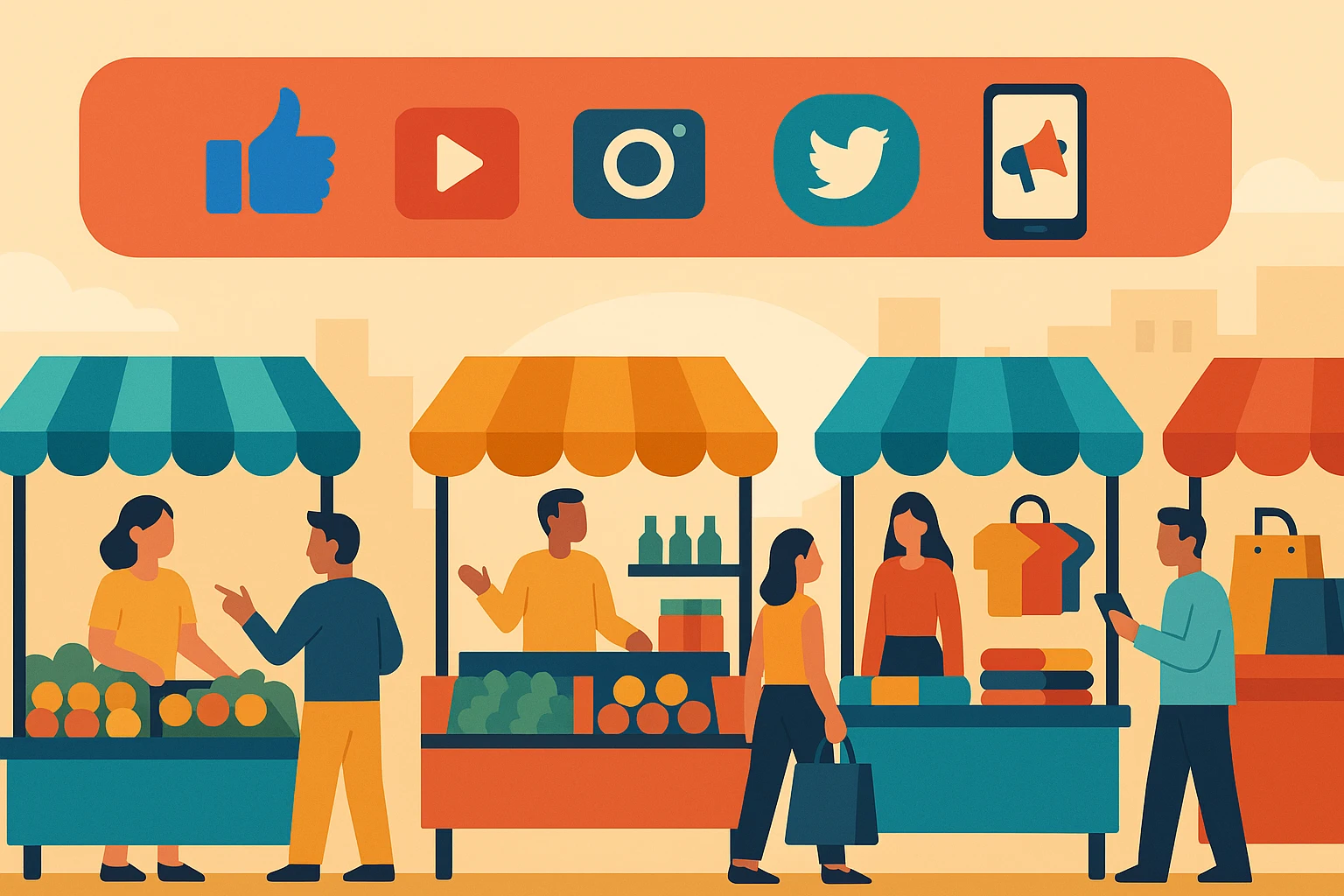
The Power of Networking in Non-Traditional Marketing
Networking remains a cornerstone of successful marketing, especially for those venturing into the field without an MBA. Building connections often opens doors to collaborations, partnerships, and clientele that might otherwise remain inaccessible. Effective networking fosters growth and provides insights into industry trends. Individuals can utilize platforms like LinkedIn to engage with professionals, share content, and participate in relevant discussions.
Utilizing Networking Events
Attending industry events, both virtual and in-person, is a potent strategy for establishing valuable connections. These events provide opportunities to learn from industry leaders and peers. For instance, conferences such as Conductor’s annual C3 bring together marketers to discuss innovative strategies and technologies. By actively participating, one can gain insights that might not be covered in a traditional MBA course.
Leveraging Social Media for Networking
Social media platforms serve as powerful tools for expanding your network without the need for formal education credentials. Engaging with thought leaders on Twitter, joining LinkedIn groups, or participating in Facebook communities can foster valuable relationships. For example, a graphic designer might increase their visibility by commenting on posts relating to the "marketing guide no MBA required," thereby demonstrating expertise and interest in the subject.
Creating a Personal Brand
A well-crafted personal brand can distinguish you from others in the marketing landscape. This involves consistently showcasing your skills, projects, and accomplishments across multiple platforms. A personal website can also serve as a portfolio and blog where you share insights, case studies, and industry updates. Demonstrating your unique perspective can attract professionals seeking to collaborate or hire, independent of formal academic credentials.
An example of personal branding success is Neil Patel, known for his expert digital marketing strategies. Despite not having an MBA, Patel has built a credible and influential brand through consistent content creation and network building. His journey underscores the value of personal branding within the marketing field.
Building Reciprocal Relationships
A valuable aspect of networking is forming partnerships that provide mutual benefits. This could involve co-hosting webinars, cross-promoting content, or sharing audience insights. Collaborations like these enhance visibility and credibility, often bringing new opportunities. Building such reciprocal relationships doesn’t require an MBA but relies on trust and shared objectives.
According to a study by the American Marketing Association, networking can enhance professional growth significantly. Therefore, aspiring marketers should prioritize building robust networks, helping them thrive in competitive environments without needing an advanced degree. This approach is integral to any effective marketing guide no MBA required.
Continuing Skill Development Through Structured Learning and Credentialing
Rather than relying solely on an MBA, many effective marketers follow a path of structured yet flexible learning. Online courses and certification programs serve as gateways to practical expertise, especially when thoughtfully selected. For example, Harvard Business School’s online Digital Marketing Strategy course uses real-world case analysis to cultivate strategic thinking and adaptability—offering a bridge between theory and application in fast-paced environments like today’s marketing landscape, where automation, influencer dynamics, and analytics shift rapidly Harvard Business School Online.
These programs also offer increasing flexibility and accessibility. Many online marketing courses allow asynchronous learning, enabling professionals to balance career and education—one survey even showed that 76% of graduate students work at least 30 hours per week while studying Harvard Business School Online. This model supports sustained learning without requiring a full-time commitment.
However, credentials alone aren’t a silver bullet. One analysis revealed that only 1 in 8 professionals with non-degree credentials reported significant pay or career advancement within a year DigitalDefynd Education. To really capitalize on learning opportunities—particularly in a “marketing guide no mba required” mindset—pairing certifications with meaningful experience, such as freelance projects or internships, proves essential.
Structured programs offer more than curriculum—they often create community. Cohort-based workshops help aspiring marketers gain peer accountability, shared frameworks, and trust networks. This social learning environment often delivers more long-term value than coursework alone does Modern Marketing Institute, 2026. As the article notes, credentials reduce perceived risk for employers or clients, while the networks formed during structured learning can open doors to opportunity in ways credentials alone cannot.
In summary, this portion of your marketing guide no mba required emphasizes that structured, flexible learning paired with experience and communities can offer a potent alternative to traditional MBAs. By choosing courses thoughtfully, aligning learning with real-world application, and leveraging networks, aspiring marketers can progress confidently without formal graduate degrees.

Leveraging Networking & Credentials to Accelerate Your Path
The Power of Intentional Networking
Rather than relying on an MBA’s built-in alumni system, self-directed marketers can cultivate equally impactful networks through targeted efforts. Joining relevant industry groups on platforms like LinkedIn or Reddit provides access to peer support, collaboration opportunities, and real-time insights. For example, marketing professionals often turn to online communities to share experiences, ask for feedback, and discover emerging trends outside of formal education contexts WorkForce Institute workforceinstitute.io. Developing meaningful connections can thus become a cornerstone of your advancement strategy without an MBA.
Moreover, face-to-face events—both virtual and in-person—offer direct access to mentors, collaborators, and recruiters. These interactions can open doors to unadvertised roles or project collaborations. As LinkedIn reports, 80% of professionals consider networking essential to career success, underscoring how crucial this strategy is even when you don’t hold formal credentials LinkedIn News linkedin.com. Embedding networking into your routine—through informational interviews, webinars, or collaborative content—ensures you stay top of mind in your industry.
Balancing Self-Study with Credibility
Learning on your own can build genuine skills and momentum—especially when experimenting with real campaigns—but gaining credibility remains a frequent challenge. Employers often rely on credentials as trust signals rather than measuring raw ability directly. Structured programs and certifications help fill that gap: data shows that, in 2026, professional certifications are now expected qualifiers, helping competent candidates get in the door even when competing against MBA holders Modern Marketing Institute modernmarketinginstitute.com.
Moreover, the dropout rates in self-paced self-study courses are significantly higher than in cohort-based workshops—suggesting that structure not only boosts completion but also readiness to perform. The same data indicates that most self-taught learners take 12 to 24 months to gain confidence, whereas workshop participants often become operationally competent within 3–6 months Modern Marketing Institute modernmarketinginstitute.com. Selecting structured, reputable programs with live feedback or cohort support can be a strategic compromise between full-time study and going it alone.
Bringing It All Together
- Embed yourself in curated communities for continuous exposure to industry conversation and opportunities.
- Participate in virtual or local events, including workshops and webinars, to connect with mentors, peers, and potential partners.
- Pair hands-on experimentation with recognized credentials to signal competence and gain trust in the market.
By combining deliberate networking with structured learning or certification, you create a self-sustaining ecosystem of growth—one that empowers you to thrive in a marketing guide no mba required paradigm, where relationships and evidence of performance speak louder than degrees.
Conclusion: Leveraging Your Unique Skillset
As we've explored, the avenues available within the marketing guide no MBA required paradigm are extensive and dynamic. The key takeaway is the value of leveraging your unique skillset and industry knowledge. The contemporary marketing landscape is less about traditional credentials and more about demonstrating real-world impact.
For instance, honing skills such as digital analytics, content creation, and social media strategy can position you as a compelling candidate. Numerous marketers have successfully transitioned into leadership roles by mastering these areas independently—demonstrating that self-taught expertise and practical experience hold significant weight. Real-world applications, like running successful campaigns or increasing brand engagement, showcase your genuine capabilities to potential employers or clients.
Embrace Lifelong Learning and Networking
An actionable insight is to embrace lifelong learning and deliberate networking. Remain current with industry trends by participating in webinars and online courses. These platforms offer opportunities to refine your skills while building a professional network. Collaborating on projects or participating in forums can lead to meaningful connections that foster career growth. According to the MarketingProfs, ongoing education is a direct pathway to achieving substantial results in marketing.
Implement and Adapt
Embrace adaptability as a core principle of your professional journey. The marketing world is ever-evolving, demanding that professionals continuously adapt their strategies to thrive. Implementing new technologies, such as artificial intelligence in consumer analysis or personalization algorithms, demonstrates your willingness to innovate and solve complex challenges effectively.
For example, reshaping content to align with emerging trends like short-form video can keep your brand relevant and engaging. By constantly evaluating and adjusting your strategies, you not only enhance your marketability but also contribute to the success of your organization.
Take the Next Step
It’s time to take actionable steps to establish yourself as a formidable force in the marketing guide no MBA required space. Start by undertaking a personal audit to identify skills gaps and areas for improvement. Engage actively with communities and embrace certifications that resonate with your career goals. According to American Marketing Association, these efforts significantly boost your credibility and career prospects.
Ultimately, your journey in marketing is about creating a trajectory defined by continuous growth and tangible achievements. The landscape is ripe with opportunities for those willing to innovate and lead without depending solely on an MBA. Seize these opportunities with confidence, driven by your passion and expertise.
